With Gov. Mikie Sherrill stepping into office, The College of New Jersey President Michael Bernstein is urging the new administration to make increased investment in the state’s public college a priority.
In an op-ed featured in NJ.com this weekend, Bernstein wrote of the challenges facing New Jersey’s four-year public colleges, but that investments in those schools always yields a return.
“Public higher education is not a cost center,” Bernstein wrote. “It is a proven economic development engine and one of New Jersey’s greatest public assets. But assets only deliver the strongest returns when they are maintained and strengthened.
“With the right investments, New Jersey can become a destination for top talent from across the country and the world—and a state that keeps that talent here after graduation to fuel our economy, strengthen our communities, and sustain our competitiveness."
Bernstein noted that roughly 30,000 New Jersey students leave the state to attend college elsewhere, which is consistent with previous Focus NJ research showing the Garden State as one of the nation’s largest exporters of college-bound students.
Berstein said that “cost is a major driver,” particularly with out-of-state institutions offering more competitive tuition and financial aid packages.
Bernstein said that “at the same time, New Jersey’s public colleges and universities are facing a convergence of challenges that threaten affordability and competitiveness,” which includes constrained and unpredictable operating budgets; year-to-year volatility in student financial aid; and a backlog of deferred maintenance on aging campuses.
Bernstein urged the new administration and lawmakers to commit to “stable, predictable, multi-year funding that allows institutions to plan responsibly and invest in high-demand academic and workforce programs."
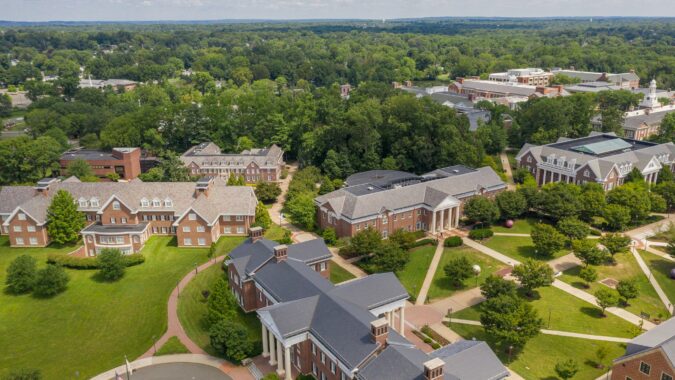
“It requires a long-overdue commitment to capital investment, addressing deferred maintenance while modernizing labs, classrooms, exhibition halls, performance venues, and research facilities essential to workforce preparation and economic innovation.
“And it demands stronger support for students, including expanded access to internships, apprenticeships, and experiential learning that connect education to opportunity and encourage graduates to build their lives in New Jersey.”
To read Bernstein’s full op-ed, click here.